Best performing cooker on the market
Home of the 7 minute boil
Best performing cooker on the market
Home of the 7 minute boil




Reheating a seafood boil properly ensures it stays flavorful and juicy. Whether you cooked a large batch or have leftovers from a restaurant, reheating seafood the right way is crucial to preserving its taste and texture.
Seafood boils are packed with rich flavors from spices, butter, and fresh seafood. Preserving these elements when reheating requires special care. Here are the top methods that maintain the original taste and texture:
Stovetop: Ideal for maintaining moisture and flavor.
Oven: Great for larger portions and slow, even reheating.
Microwave: A fast option with careful technique to avoid dryness.
Each method has unique benefits, and choosing the right one depends on your available time and equipment. Let's break down each method step by step.
The stovetop method is widely regarded as the best way to reheat a seafood boil. It maintains the original texture, ensures the flavors blend well, and prevents overcooking.
Fill a large pot with enough water to create steam but not enough to submerge the seafood entirely. Ideally, 1-2 inches of water will suffice.
If you have a steamer basket, use it to keep the seafood elevated above the water level.
Heat the water until it reaches a rolling boil. If desired, add seasonings like Old Bay, Cajun spices, or garlic butter to infuse extra flavor into the steam.
Place your leftover seafood boil into the steamer basket or directly in the pot if a basket isn't available.
Cover the pot with a tight-fitting lid to trap the steam.
Steam the seafood boil for 5-10 minutes, stirring occasionally for even heating.
Check the internal temperature of shrimp, crab legs, and other seafood to ensure they reach 145°F for safe consumption.
Remove the seafood boil from the pot and toss it in melted butter, lemon juice, or additional seasonings if needed.
The oven is an excellent option for reheating large portions of seafood boil. It allows for slow, even heating that minimizes the risk of overcooking.
Preheat your oven to 275°F to ensure gentle, thorough reheating.
Spread the seafood boil evenly on a baking sheet or in a casserole dish.
Add 1-2 tablespoons of melted butter or water to maintain moisture.
Cover the dish tightly with aluminum foil to trap steam and prevent the seafood from drying out.
Place the covered seafood boil in the oven and heat for 15-20 minutes.
Stir halfway through to ensure even heating.
Ensure the internal temperature reaches 145°F before serving.
After removing from the oven, toss the seafood in additional seasoning or butter if desired.
While the microwave isn't the ideal method for reheating a seafood boil, it can be effective with the right technique.
Fast and convenient
Suitable for small portions
Risk of overcooking
May dry out the seafood
Use a Microwave-Safe Dish: Place the seafood boil in a microwave-safe dish with a lid or cover with a damp paper towel to help retain moisture.
Add Moisture: Drizzle 1-2 tablespoons of melted butter or water over the seafood before reheating.
Reheat in Intervals: Heat the seafood boil in 30-second intervals to avoid overcooking.
Stir Frequently: Stir the seafood between intervals for even heating.
Microwaving seafood can be tricky, so watch it carefully to prevent it from becoming rubbery or dry.
Reheating seafood boil may seem simple, but there are several pitfalls that can ruin your delicious leftovers. Avoid these common mistakes for the best results:
Skipping Moisture: Always add butter, water, or broth to prevent the seafood from drying out.
Overheating: Seafood cooks quickly, and excessive heat can result in tough, chewy textures. Stick to low and moderate heat settings.
Neglecting to Stir: Stirring or rotating the seafood ensures even heating, especially when using the microwave.
Using High Temperatures: High temperatures can burn seasonings or overcook delicate seafood like shrimp.
Reheating Too Many Times: Repeated reheating breaks down seafood texture. Only reheat what you plan to eat immediately.
Knowing how to reheat seafood boil properly is key to maintaining its bold flavors and tender textures. Whether you prefer the stovetop, oven, or microwave, each method has its own advantages for ensuring your leftovers taste just as good as they did the first time.
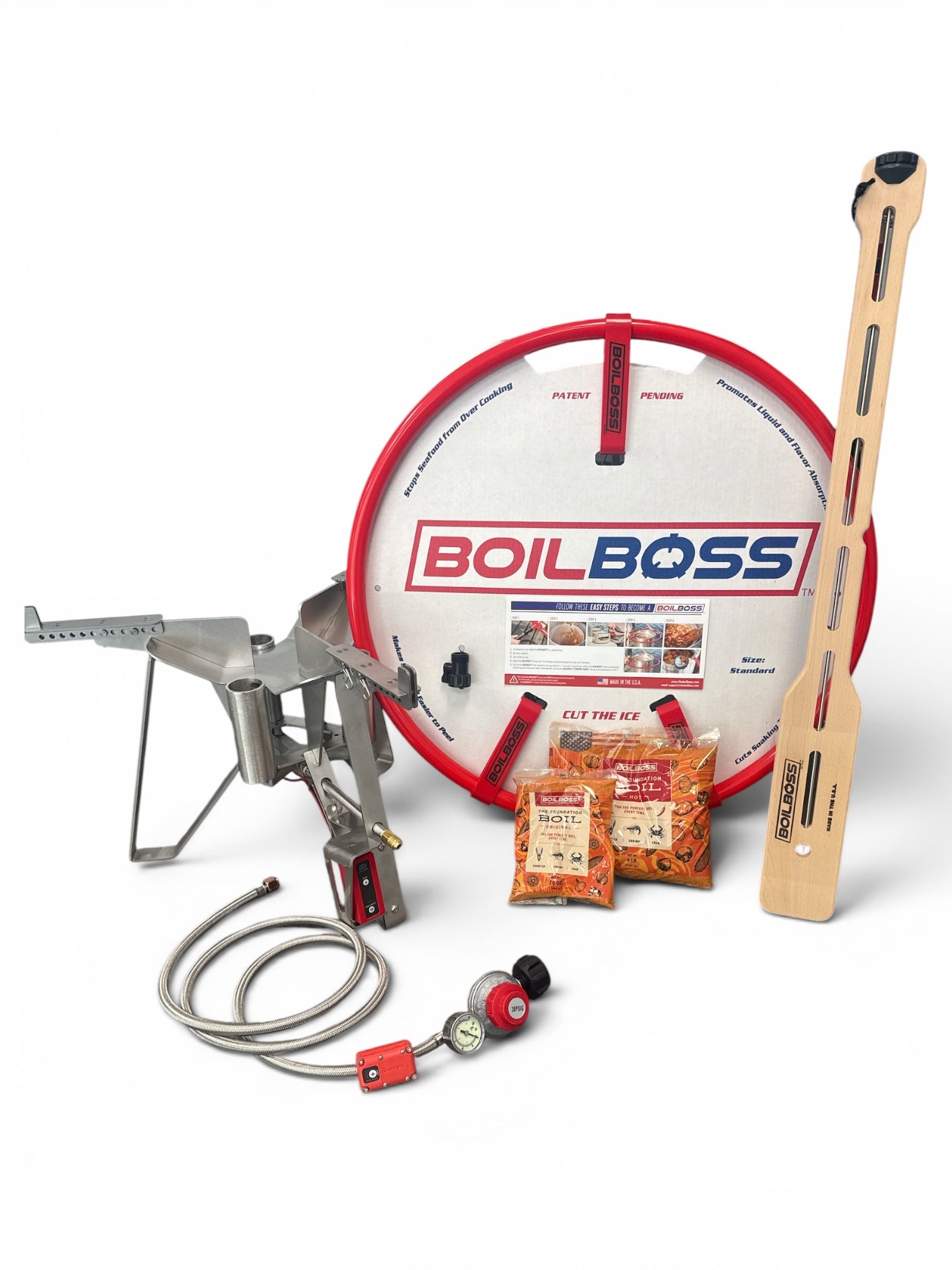
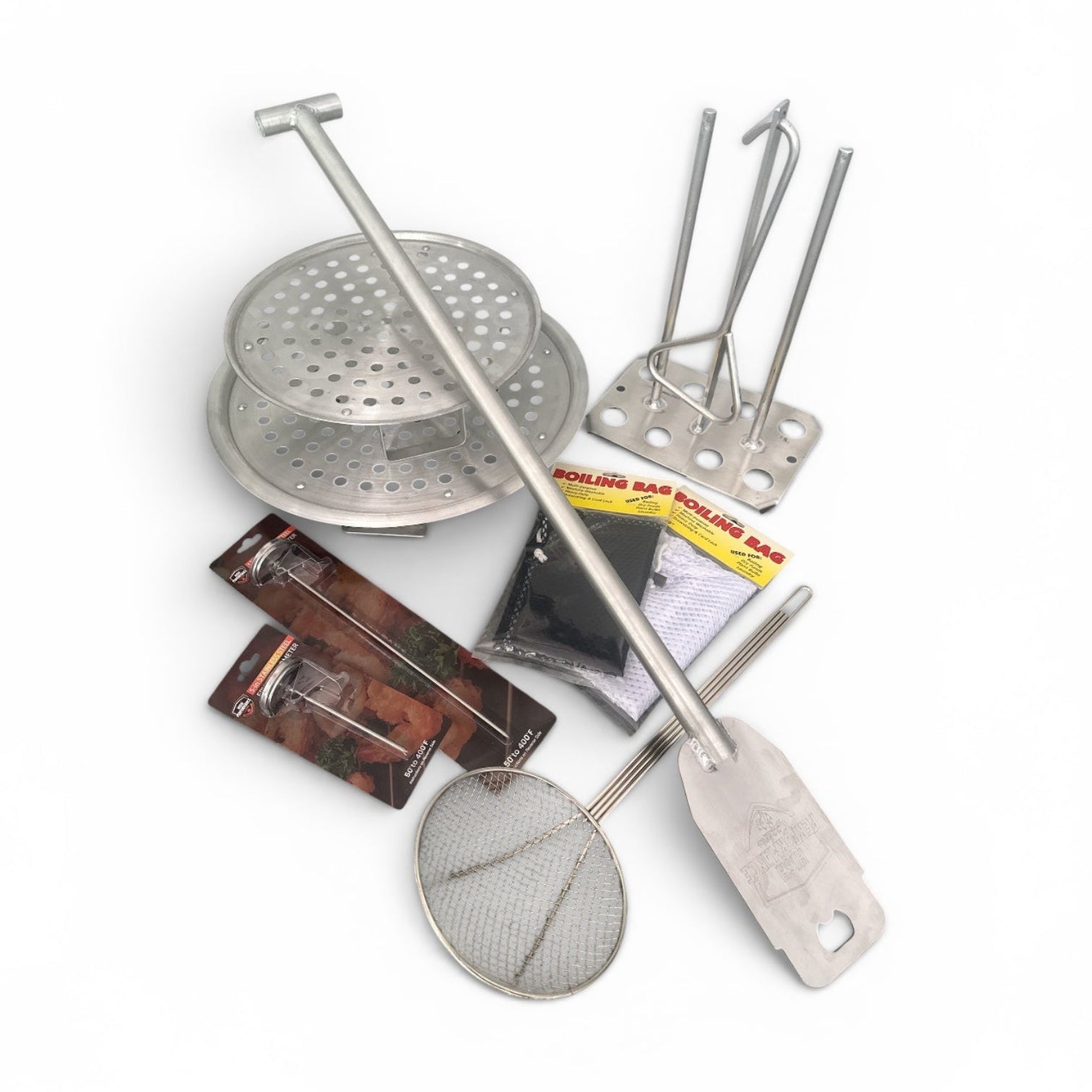
Whether you're preparing your first seafood boil or cooking for a crowd, High Performance Cookers offers durable equipment designed for boiling, steaming, and frying seafood outdoors.
Popular options include:
From backyard gatherings to large seafood feasts, the right equipment helps you cook more efficiently and enjoy consistently great results every time.
For those passionate about cooking seafood boils from scratch, High Performance Cookers offers top-notch outdoor cooking equipment designed to deliver fast, flavorful results. Our seafood boil equipment and supplies help you prepare better-tasting meals efficiently.
Explore our range of outdoor cookers, boil kits, and accessories to elevate your seafood boil experience!

Jay Meral is a businessman, writer, and cook. He has been married to his wife, Rhonda, for over 27 years and is a proud father to his three kids. A lifelong entrepreneur, Jay discovered his passion for outdoor cooking through entertaining family and friends. That passion led him to the Tunnel Tube Cooker, where he saw the potential to transform the industry. Investing in the technology, he launched High Performance Cookers and has since grown the brand to new levels and expanded to different markets. Always striving to improve, Jay’s ultimate goal is to produce the highest quality products that every customer will be proud to own.